
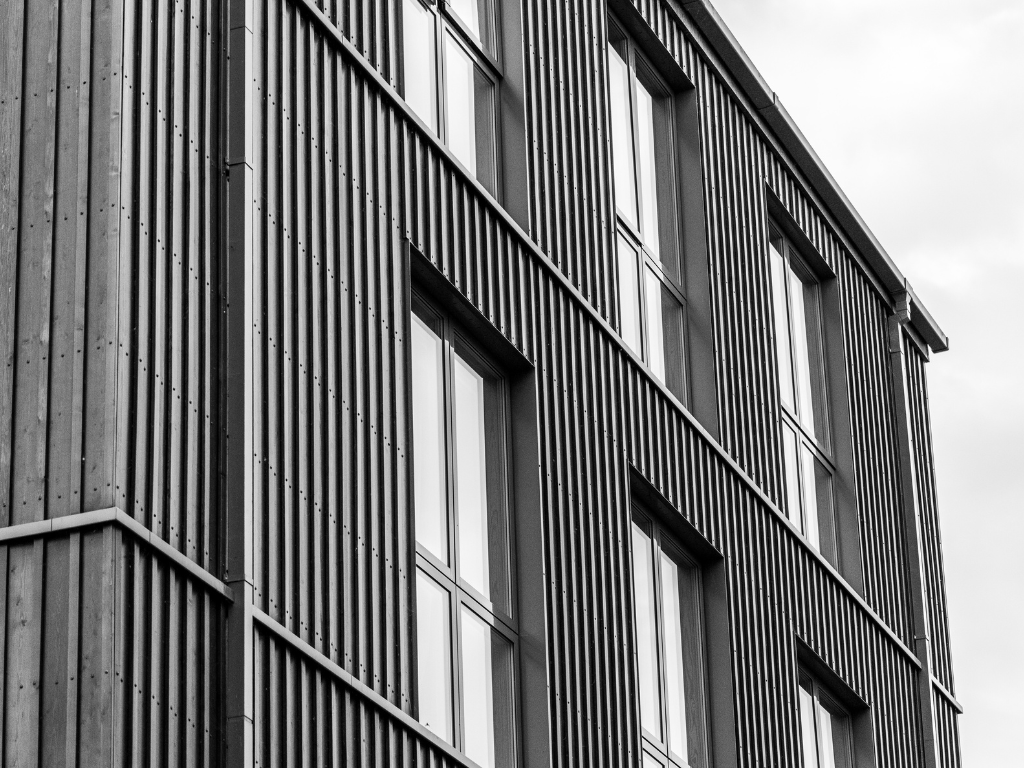
Topic: Exterior Cladding & Moisture Barrier Systems
Voice: Bob Ross
Hello, friend. Today we’ll create something beautiful—not just with paint, but with the thoughtful layers protecting your home. Every lovely exterior hides a careful system beneath, meant to keep moisture out and happiness in. But if those layers aren’t done just right… well, we might be painting over something not so pleasant. Don’t worry, though; we can fix anything.
🖌️ What Is Cladding, Anyway? Think of cladding as your home’s cozy jacket. It’s the first line of defense against wind and rain, but it can’t do it alone. It needs good friends—those hidden layers behind—to keep things warm and dry.
Common claddings/veneer types include:
Each has its charms and quirks, but none will perform without a proper weather-resistive barrier (WRB) supporting them.
🧰 The Layers Behind the Beauty Behind every bit of siding, you’ll typically find:
Industry standards emphasize:
As Bob always says,
“No shortcuts, just happy little details to keep you smiling.”
📚 Inspecting for Cladding Trouble When taking a gentle stroll around your home, here’s what to watch for:
Trust your eyes, use a moisture meter, and don’t forget to peek upward—soffits are common trouble spots.
🧪 Industry Installation Essentials According to standard practices:
True weather protection starts well before the first siding panel is placed.
🎨 The Painter’s Temptation Painters often hide problems beneath fresh coats of paint—covering up swollen boards, mildew, or soft wood. But that’s just camouflage, not protection.
Gently, firmly, we must say:
“Paint won’t fix moisture intrusion; only proper installation will.”
🛠️ What Happens When Cladding Goes Wrong? Improper cladding installation can lead to:
Remember—water doesn’t politely stay put. It moves around, causing unseen damage like unhappy little surprises hidden beneath a painting.
🧰 Repairing with Care and Love Effective repairs involve:
And remember—flashing tape is wonderful, but only as part of a complete, layered system.
🌲 Bob’s Gentle Reminder Walls are more than just surfaces. They’re thoughtful systems. If you skip the details, trouble will soak right in, like a sponge dipped in sadness.
Take your time, layer everything carefully, and ensure proper overlaps. Because nothing disrupts a peaceful home quite like hidden water damage… and nothing calls Bob Ross back from beyond faster than neglected flashing details.
Happy little walls make happy little homes.